🧱 What Is Scaffolding?
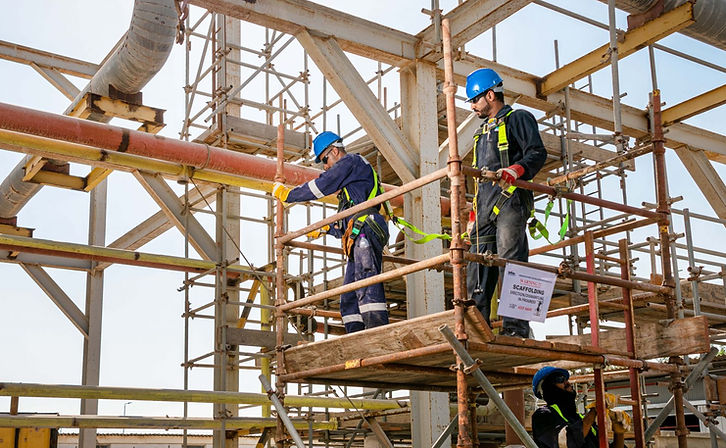
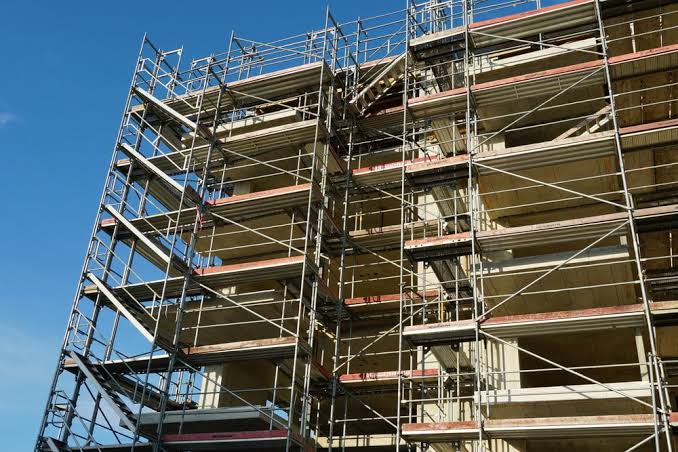
Scaffolding is a temporary structure made of metal pipes, tubes, or wooden planks that workers use to stand, work, and move safely while constructing, repairing, or maintaining buildings and other structures. It acts like a platform or support system around or above a building, giving workers safe access to high or hard-to-reach areas.
Scaffolding is most commonly used in construction sites, industrial plants, and maintenance projects. Without scaffolding, it would be dangerous or even impossible for workers to paint, install, weld, or inspect structures at height.
There are different types of scaffolding, such as:
- Tube and Coupler Scaffolding – made of steel tubes connected by clamps.
- Frame Scaffolding – easy to assemble, often used for building walls and ceilings.
- Mobile Scaffolding – has wheels so it can move around easily.
- Suspended Scaffolding – hangs from the top of a building (used for cleaning or painting tall structures).
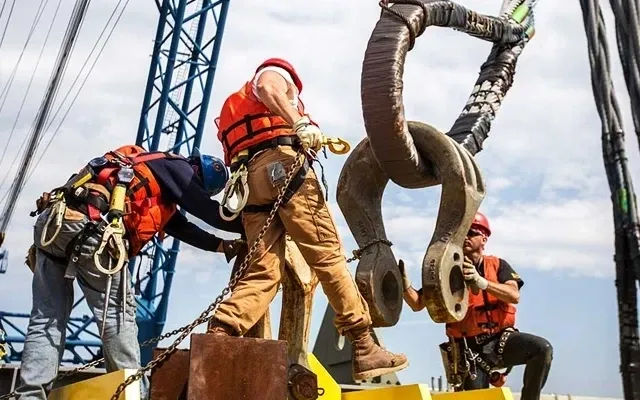
A Scaffolder (or Scaffolding Worker) is responsible for erecting (building), inspecting, and dismantling the scaffolding safely. They must follow strict safety rules, wear personal protective equipment (PPE), and ensure that the structure is strong, balanced, and secure.
In short, scaffolding provides a safe working platform that allows workers to perform their jobs at height — it is one of the most important safety systems in the construction industry.